maintenance-guides8Mervin Tan
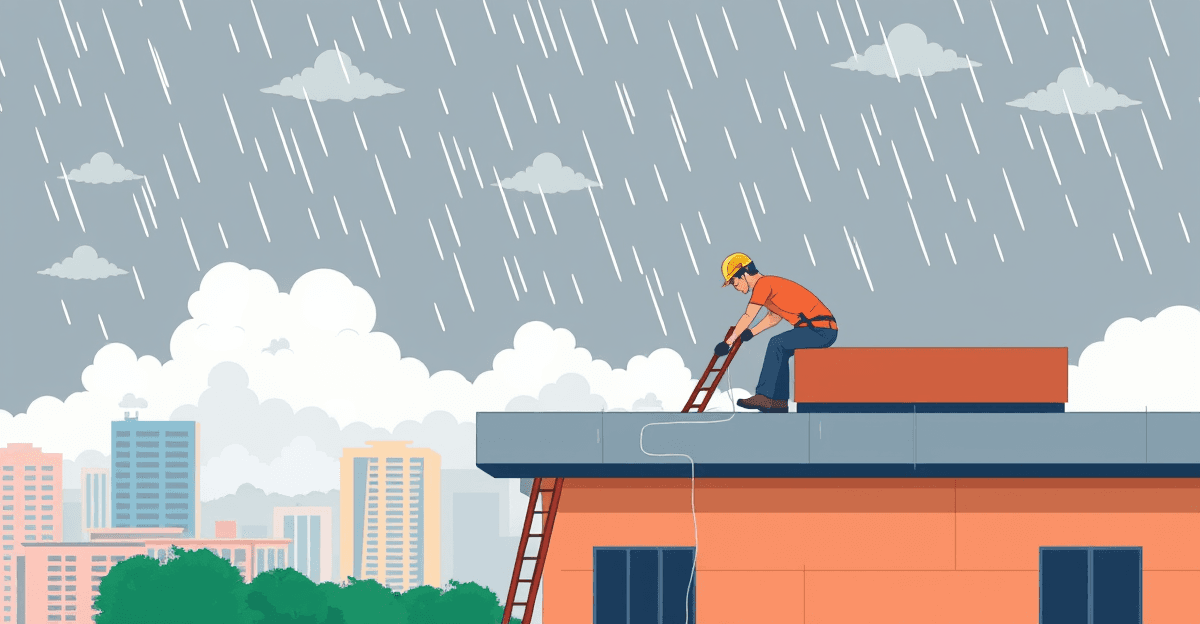
Roof failure is one of the most costly issues facilities managers face in Singapore. The combination of intense UV exposure, heavy monsoon rainfall, and high humidity creates a uniquely challenging environment for maintaining building envelopes. For MCST managers, facilities teams, and maintenance contractors, understanding tropical waterproofing dynamics isn't just about preventing leaks—it's about compliance, cost control, and protecting the structural integrity of properties.
TL;DR: Essential roof waterproofing maintenance guide for Singapore facilities managers. Navigate tropical climate challenges, BCA compliance, and cost-effective repair strategies.
This guide walks you through the essential practices, regulatory requirements, and strategies to keep roofs watertight in Singapore's demanding climate.
Why Singapore's Tropical Climate Makes Roof Maintenance Critical
Singapore receives an average of 2,340 mm of rainfall annually, distributed across the Northeast and Southwest monsoon seasons. Unlike temperate regions with seasonal variability, our tropical island experiences consistent heat, humidity, and moisture pressure year-round.
Thermal stress is the primary culprit. Daily temperature swings of 10–15°C cause roofing materials to expand and contract continuously. Over months and years, this cycles weakens sealants, creates hairline cracks, and compromises membrane integrity. In older buildings, this thermal fatigue accelerates waterproofing failure.
Moisture penetration is equally damaging. Singapore's relative humidity often exceeds 80%, especially during monsoon periods. Water doesn't just enter from above—it also wicks through porous materials laterally, traveling across structural decks and into walls. By the time visible ceiling stains appear inside a unit, water may have already caused hidden damage.
The Building and Construction Authority (BCA) recognizes these challenges in its Code of Practice for Maintenance of Buildings (CP 5), which specifically addresses waterproofing requirements for tropical construction.
Understanding Roof Waterproofing Systems in Singapore
Roof waterproofing in Singapore typically falls into three categories:
1. Liquid Applied Membranes (LAM)
Polyurethane or acrylic-based coatings applied wet, then cured to form a seamless membrane. Common in new builds and refurbishment projects. These offer excellent UV resistance but require skilled application and regular maintenance.
Singapore-specific challenge: UV degradation happens faster here. Membranes need recoating every 5–7 years in tropical exposure.
2. Sheet Membranes (EPDM, PVC, TPO)
Factory-manufactured rolls with heat-welded or mechanically fastened seams. Highly durable and predictable performance. EPDM remains popular in Singapore, though PVC is gaining traction for its superior UV and chemical resistance.
Weakness: Seam integrity is critical. A single failed weld compromises the entire system.
3. Bituminous Systems (Torch-down, Built-up Roofing)
Traditional tar and asphalt-based solutions still found on older Singapore buildings. Effective but labor-intensive to maintain and increasingly phased out due to environmental concerns and fire risk regulations.
Most modern Singapore developments use hybrid systems combining LAM base layers with sheet membrane top protection.
Still tracking roof-maintenance jobs in spreadsheets and WhatsApp?
Werkks schedules recurring maintenance, keeps photo records of every completed job, and shows live status across all your contractors and staff. Free for 14 days.
BCA Compliance and Regulatory Requirements
Singapore's building maintenance standards are enforced by the Building and Construction Authority (BCA). Key regulatory touchpoints for roof waterproofing:
Code of Practice for Maintenance of Buildings (CP 5)
- •Mandates regular inspections and documented maintenance programs
- •Specifies minimum service life expectations for waterproofing systems relative to building design life
- •Requires remedial action on identified defects within specified timeframes
Building Safety and Health Regulations
The Safety and Health at Work (SHA) Act requires contractors to implement safe access systems for roof work. Fall protection, scaffolding design, and permit-to-work procedures are non-negotiable.
BMSMA (Building Maintenance and Strata Management) Act
For condominiums and developments under MCST management, roof waterproofing maintenance is a legal obligation classified as "common property maintenance." Failure to maintain can expose the management corporation to liability for water damage affecting individual units. Documentation is critical—keep records of inspections, repairs, and contractor engagement.
Fire Safety Standards
The SCDF (Singapore Civil Defence Force) has specific requirements for roof-mounted equipment and access routes. Any waterproofing work must not obstruct fire escape routes or compromise fire ratings.
Seasonal Maintenance Planning for Singapore
Effective roof maintenance aligns with monsoon cycles:
Northeast Monsoon (December–March)
- •Heavy rainfall, strong winds
- •Pre-monsoon inspection critical (October–November)
- •Address minor defects before seasonal rains
- •Ensure gutter and downpipe systems are clear and functional
Southwest Monsoon (June–September)
- •Intense heat and strong winds
- •Post-monsoon repairs should prioritize UV-damaged areas
- •Plan major refurbishment work during inter-monsoon lulls (April–May, October–November)
Year-Round Maintenance
- •Quarterly visual inspections, focusing on seams, flashings, and penetrations
- •Biannual professional inspections using thermal imaging to detect moisture pockets
- •Immediate attention to ponding water, which accelerates membrane degradation
Werkks simplifies job scheduling and invoicing for Singapore facilities managers managing multiple contractors across seasonal maintenance cycles, ensuring no inspection window is missed and repairs are logged for BCA compliance.
Common Roof Failure Points in Singapore Buildings
Understanding failure modes helps you focus inspection efforts:
Seam and Flashing Failures
Seams are the waterproofing system's weakest link. In sheet membranes, failed welds allow water penetration. In LAM systems, cold joints at sealant interfaces fail under thermal cycling.
Singapore reality: Improper application during installation accounts for ~60% of early failures. Insist on certified applicators and third-party inspection.
Penetration Leaks
Roof-mounted equipment (HVAC units, electrical conduits, exhaust fans) punctures the waterproofing membrane. Poorly sealed flashings are a primary cause of localized leaks.
Maintenance strategy: Inspect all penetrations quarterly. Replace sealant every 3 years or upon visible cracking.
Ponding Water
Inadequate drainage causes standing water, which accelerates UV damage, thermal cycling, and algae/moss growth. Singapore's tropical heat intensifies this degradation.
Prevention: Ensure roof slopes ≥2–3%, clear gutters monthly (especially during monsoon), and use mesh guards to prevent debris accumulation.
UV Degradation
Singapore's equatorial position means intense, year-round UV exposure. Unprotected membranes lose elasticity and develop cracks within 5–7 years.
Mitigation: Specify UV-resistant coatings, apply reflective top layers to reduce thermal load, and schedule recoating every 5–7 years.
Inspection and Diagnostic Techniques
Visual Inspection
Walk the entire roof surface, noting cracks, blistering, seam separation, algae, and debris. Document with photographs and georeferenced locations.
Thermal Imaging (Infrared Thermography)
Detects moisture pockets within the membrane without invasive drilling. Wet insulation appears cooler than dry areas. Invaluable for identifying hidden defects pre-monsoon. Cost: SGD 1,500–3,500 per survey. ROI is high; early detection prevents catastrophic failures.
Permeance Testing
Water vapor transmission testing identifies areas at risk of internal condensation, particularly important in tropical climates where humidity is relentless.
Core Sampling
For detailed investigation, small cores are extracted to assess membrane thickness, adhesion, and substrate condition. Destructive but provides definitive data on system integrity.
Repair vs. Replace: Cost-Benefit Analysis
When to repair:
- •Isolated defects (single seam failure, localized puncture)
- •Membrane still has >5 years expected life remaining
- •System is performing well overall
- •Repair cost <30% of replacement cost
When to replace:
- •Multiple failure points or widespread blistering
- •System has exceeded design life (typically 10–15 years in Singapore)
- •Underlying substrate is compromised
- •Repeated repairs in past 2 years signal end-of-life
Singapore costing (2026 estimates):
- •Spot repairs (LAM): SGD 50–150/m²
- •Seam resealing: SGD 80–200/linear meter
- •Full membrane replacement: SGD 150–350/m², depending on system and substrate prep
Plan refurbishment during dry season (inter-monsoon months) for best results and shortest completion times.
Contractor Selection and Quality Assurance
For roofing work in Singapore, prioritize:
- 1.BCA Certification – Verify contractor holds valid BCA accreditation and appropriate safety certifications
- 2.Project References – Request evidence of similar-scale tropical maintenance projects in Singapore
- 3.Material Certification – Ensure products meet CP 5 durability standards and come with extended warranties (15+ years for membranes)
- 4.Safety Plan – Require a formal Risk Assessment and Method Statement (RAMS) compliant with MOM and SCDF guidelines
- 5.Documentation – Insist on as-built drawings, material certifications, and photographic records post-completion
Managing Roof Maintenance Budgets
For MCST committees and facility managers, roof maintenance should typically represent 3–5% of annual building operating budget. In tropical Singapore, allocate slightly higher.
Proactive budgeting approach:
- •Year 1–5: Preventive maintenance and minor repairs (SGD 2–5/m² annually)
- •Year 5–10: Increased inspection frequency, selective sealing (SGD 5–10/m²)
- •Year 10–15: Plan for full refurbishment reserve contributions (SGD 15–30/m²)
Failure to budget adequately forces expensive emergency repairs and potential structural damage liability.
Leveraging Technology for Maintenance Oversight
Modern facilities teams increasingly use asset management software to track roof condition, schedule inspections, and manage contractor workflows.
Digital systems enable:
- •Automated inspection reminders aligned with monsoon cycles
- •Centralized documentation for BCA compliance audits
- •Rapid contractor dispatch when issues are identified
- •Photo-timestamped evidence for insurance and dispute resolution
Werkks simplifies job scheduling and invoicing for Singapore facilities managers coordinating multiple roof maintenance activities across seasonal cycles, ensuring regulatory deadlines are met and costs are tracked transparently.
Key Takeaways for Singapore Facilities Managers
- 1.Understand your climate: Tropical conditions accelerate waterproofing failure; plan maintenance accordingly.
- 2.Know the regulations: BCA CP 5, BMSMA Act, and SCDF requirements are non-negotiable for MCST and facility managers.
- 3.Schedule proactively: Align inspections with monsoon cycles (pre- and post-season critical).
- 4.Invest in diagnostics: Thermal imaging and core sampling catch hidden defects early, preventing costly failures.
- 5.Document everything: Maintain detailed records of inspections, repairs, and contractor credentials for compliance and liability protection.
- 6.Budget conservatively: Roof refurbishment is inevitable; plan reserve funds during low-need years.
- 7.Partner with certified contractors: Prioritize experience, safety compliance, and warranty backing.
Roof waterproofing maintenance in Singapore isn't optional—it's a fundamental duty of care. By understanding tropical climate challenges, following BCA standards, and maintaining disciplined inspection schedules, you'll protect your building, ensure occupant safety, and avoid costly emergency scenarios.
Sources
- 1.PUB — Singapore's National Water Agency
- 2.NEA — National Environment Agency
- 3.SFA — Singapore Food Agency
Need help organizing roof inspections and contractor scheduling across your portfolio? Werkks offers streamlined job scheduling and invoicing built for Singapore facilities teams. Learn how Werkks helps maintenance managers stay compliant and efficient.
Frequently Asked Questions
What is the recommended roof waterproofing inspection frequency in Singapore's tropical climate?
The Building and Construction Authority (BCA) recommends bi-annual inspections for tropical regions—typically before and after the monsoon seasons. Given Singapore's high humidity and sudden heavy downpours, many facilities managers conduct quarterly checks on aging roofs. Early detection prevents water ingress damage that can compromise structural integrity and void warranties.
Are MCST committees legally responsible for roof waterproofing maintenance?
Yes. Under the BMSMA (Building Maintenance and Strata Management) Act, MCST committees must maintain common property, including roof structures and waterproofing systems. The Management Corporation has a duty of care to ensure the building envelope remains weathertight. Negligence can result in disputes with residents and potential cost recovery issues.
What are the cost implications of delaying roof waterproofing repairs in Singapore?
Delayed repairs often escalate costs exponentially. Minor leaks ignored for 6 months can lead to ceiling damage, electrical hazards, mold growth, and structural decay—potentially doubling or tripling repair expenses. Singapore's SCDF also requires immediate action on safety hazards. Proactive maintenance prevents emergency call-outs and reduces overall lifecycle costs by 30–40%.
How does Singapore's Building Code specify waterproofing durability standards?
The BCA's Code of Practice for Maintenance of Buildings (CP 5) mandates that waterproofing systems meet a minimum service life aligned with the building's design life. Tropical conditions accelerate degradation; most systems require full replacement every 10–15 years. Documentation of maintenance work and material certifications is essential for compliance and insurance claims.
Core compliance reading: What Is the BMSMA? MCST Rules, Duties and Penalties — the Building Maintenance and Strata Management Act guide every Singapore building manager should know.
About the author
Mervin Tan
Founder, Werkks
Mervin Tan is the founder of Werkks and a software engineer based in Singapore. He builds maintenance management software used by Singapore facility teams, and writes practical guides on BCA, SCDF, PUB and BMSMA compliance for building managers and MCST councils. Werkks is built by Adaptels Pte. Ltd., Singapore.
roof-maintenancewaterproofingfacilities-managementtropical-climatesingapore-building-codemcst-maintenance
Keep your maintenance records inspection-ready
Schedule recurring inspections, collect photo proof of completed work, and keep an audit trail of every job — free for 14 days. No credit card required.
Start Free TrialNo credit card14-day trialCancel anytime
Related Articles
maintenance-guides
HVAC Maintenance for Singapore Commercial Buildings: Tropical Climate Best Practices
Essential HVAC maintenance guide for Singapore commercial buildings. Beat tropical humidity, comply with BCA standards, and prevent costly breakdowns with proven best practices.
maintenance-guidesGenerator Maintenance Schedule for Singapore Commercial Buildings
Essential generator maintenance schedules for Singapore commercial buildings. Comply with BCA/SCDF regulations, reduce downtime, and protect your facility investment.
maintenance-guidesCondo Gym Equipment Maintenance Schedule: MCST Best Practices
Essential gym equipment maintenance schedule for Singapore condos. MCST compliance checklist, safety standards, and preventive maintenance best practices for facilities managers.