maintenance-guides8Mervin Tan
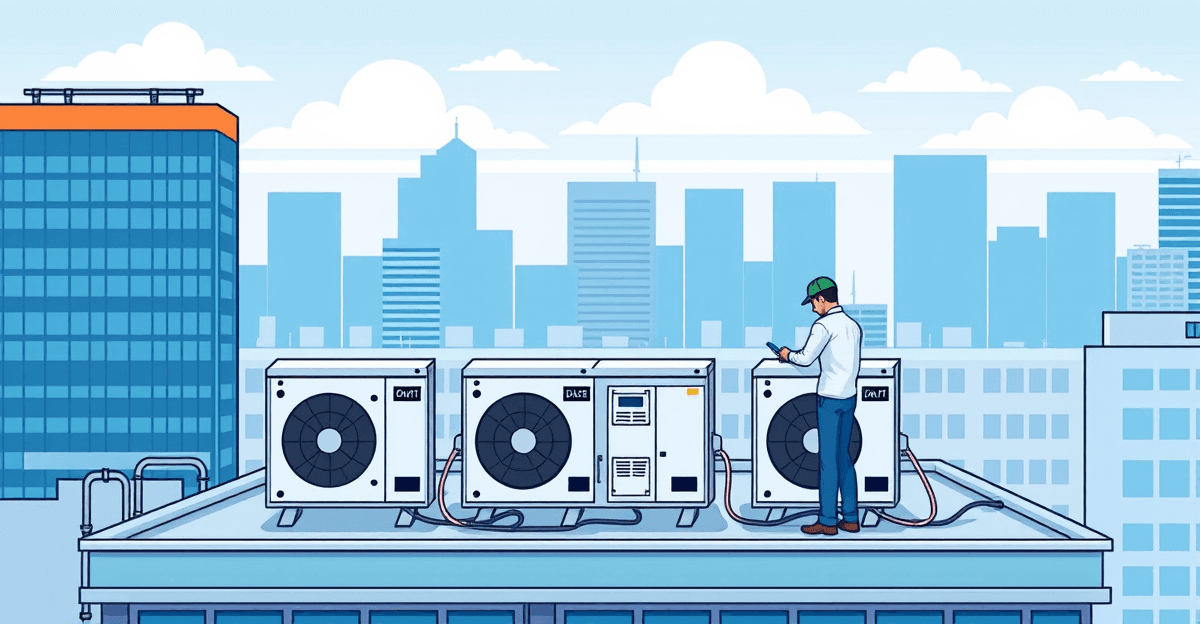
I opened up an AHU in a Toa Payoh office building last month and the coils were so caked with mould that the air flow was down by 40%. The tenants had been complaining about warm air for weeks. The facility manager's response? "We serviced it six months ago." Six months is too long in Singapore. Our humidity runs 80-90% year-round, and HVAC systems here take a beating that equipment in temperate countries never faces. The maintenance schedules from the manufacturer's manual — written for a London or Tokyo climate — don't apply here.
TL;DR: Essential HVAC maintenance guide for Singapore commercial buildings. Beat tropical humidity, comply with BCA standards, and prevent costly breakdowns with proven best practices.
This guide distills best practices tailored to Singapore's regulatory environment, tropical conditions, and real-world maintenance constraints.
Why Singapore's HVAC Maintenance Differs from Global Standards
Commercial buildings in Singapore operate air conditioning systems 24/7, 365 days a year. This constant demand, combined with 80-90% relative humidity, creates a perfect storm for system degradation:
- •Humidity accelerates corrosion of copper tubing, aluminum fins, and steel components
- •Condensation buildup fosters mold, bacteria, and fungal growth in ducts and coils
- •Refrigerant efficiency drops as compressors work harder against moisture-saturated air
- •Indoor air quality deteriorates without aggressive coil and duct cleaning
Facilities managers who apply standard (temperate climate) maintenance schedules to Singapore buildings inevitably face premature system failure, energy waste, and regulatory violations.
BCA Compliance and Mandatory Maintenance Standards
The Building and Construction Authority (BCA) establishes baseline maintenance requirements for commercial buildings in Singapore:
Key Regulatory Obligations
BCA Energy Audit Requirements: Commercial buildings above 5,000 m² must conduct energy audits every 5 years. HVAC systems typically account for 40-50% of energy consumption, so maintenance directly impacts audit scores and Green Mark certification.
Green Mark Scheme: Achieving Green Mark Gold or Platinum status requires documented preventive maintenance schedules and energy efficiency tracking. Buildings lose points—and market value—without these records. Property valuations can drop 8-12% with lower Green Mark ratings.
BMSMA Act Compliance: For properties with Management Corporations or MCSTsm the Building Maintenance and Strata Management Act mandates that essential services (including HVAC) be maintained to code. Negligent maintenance can expose MCST committees to personal liability and fines up to SGD 5,000.
SCDF Fire Safety Code: Ventilation systems must comply with SCDF standards. Clogged or poorly maintained HVAC ducts can be flagged as fire hazards and trigger enforcement action.
Documentation Requirements
Maintain records including:
- •Monthly filter change logs
- •Quarterly coil cleaning certificates
- •Refrigerant top-up records (including EPA compliance documentation)
- •Energy consumption reports
- •Technician credentials and licensing (Licensed HVAC Technicians in Singapore must hold relevant certifications)
Still tracking hvac maintenance jobs in spreadsheets and WhatsApp?
Werkks schedules recurring maintenance, keeps photo records of every completed job, and shows live status across all your contractors and staff. Free for 14 days.
Tropical Climate-Specific Maintenance Best Practices
1. Aggressive Filter Management
In Singapore, filters clog 50% faster than in temperate climates due to humidity and dust.
Recommended Schedule:
- •Change pleated filters every 2-3 weeks (not monthly)
- •Inspect filters weekly during peak usage (Feb-Apr, Sept-Nov)
- •Use MERV 11 or MERV 13 filters to trap humidity-loving microbes
- •Install low-pressure indicator switches to alert when filters need changing
Cost Impact: Frequent filter changes cost SGD 15-30 per filter, but prevent SGD 2,000-4,000 compressor repairs from restricted airflow.
2. Coil Cleaning and Drain Line Maintenance
Evaporator and condenser coils are where tropical maintenance diverges most from international standards.
Monthly Coil Inspection:
- •Visual check for algae, mold, or biological growth (common in Singapore's heat)
- •Test drain line water quality; black or foul-smelling discharge indicates microbial contamination
- •Check for refrigerant oil residue on coils (sign of leaks)
Deep Coil Cleaning (Every 4-6 weeks):
- •Use enzymatic or biocidal coil cleaners to eliminate mold spores
- •For condenser coils in external units, pressure-wash at low PSI to avoid fin damage
- •Install UV coil sterilization units in high-humidity areas (common in kitchens, server rooms)
Drain Line Maintenance (Every 2 weeks):
- •Clear blockages using enzymatic drain treatments or compressed air
- •Install drain line strainers and backup traps
- •Replace drain pans if cracked or degraded (common after 8-10 years)
Neglecting drain maintenance causes condensate backup, water damage, and mold proliferation—leading to BCA violations and tenant complaints.
3. Refrigerant Management and Leakage Detection
Singapore's tropical heat stresses compressors and increases refrigerant leakage rates.
Quarterly Refrigerant Audits:
- •Check pressures and compare against manufacturer specs
- •Measure superheat and subcooling to detect leaks early
- •Log all refrigerant top-ups (required for EPA/SCDF compliance)
Leak Detection Protocol:
- •Use electronic leak detectors monthly on suspected areas
- •Dye tracing for small leaks (requires licensed technician)
- •Replace worn seals and gaskets proactively, not reactively
Important: Under Singapore's Environmental Protection and Management Act, refrigerants must be handled by certified technicians. Unlicensed refrigerant work risks fines and system damage.
4. Energy Efficiency Monitoring
HVAC energy costs in Singapore typically run SGD 8,000-15,000 per month for a 50,000 m² building. Maintenance directly impacts this.
Monthly KPIs to Track:
- •Cooling Degree Days (CDD): Normalize consumption against outdoor temperature
- •kWh per ton of cooling: Benchmark against BCA industry standards (typically 0.6-0.8 kWh/ton for efficient systems)
- •Compressor runtime hours: Excessive runtime signals inefficiency or under-sizing
Red Flags:
- •15%+ increase in energy consumption month-over-month
- •Compressor short-cycling (rapid on/off cycles)
- •Temperature setpoint drifts (thermostat creep common in tropical climates)
Werkks simplifies job scheduling and invoicing for Singapore facilities managers, allowing teams to track maintenance costs against energy consumption and identify ROI on preventive maintenance investments.
5. Humidity Control and Indoor Air Quality
Singapore's humidity creates unique IAQ challenges:
Humidity Target: Maintain 40-60% relative humidity. Above 65%, mold and dust mites proliferate.
Dehumidification Strategy:
- •Install dedicated dehumidifiers in high-moisture areas (server rooms, archives, kitchens)
- •Ensure adequate outdoor air exchange (minimum 8-10% of total airflow per BCA standards)
- •Use CO₂ sensors to validate ventilation effectiveness
Biological Contamination Prevention:
- •Conduct quarterly duct cleaning in humid zones
- •Install HEPA filters in return air paths
- •Consider UV sterilization in high-traffic areas
Preventive Maintenance Schedule for Singapore Commercial Buildings
| Task | Frequency | Estimated Cost (SGD) | Criticality |
|---|---|---|---|
| Filter inspection & change | Weekly/Bi-weekly | 30-50 | Critical |
| Coil cleaning & inspection | Monthly | 150-300 | Critical |
| Drain line clearing | Bi-weekly | 50-100 | Critical |
| Refrigerant audit & top-up | Quarterly | 200-400 | High |
| Electrical component inspection | Quarterly | 100-200 | High |
| Full system performance test | Semi-annually | 300-600 | High |
| Duct cleaning & sanitization | Annually | 500-1,500 | Medium |
| Compressor overhaul | Every 5-7 years | 2,000-5,000 | High |
Total Annual Preventive Maintenance Cost: SGD 4,500-8,000 per 10 RT (refrigeration tons) system.
ROI: Every SGD 1 spent on preventive maintenance saves SGD 3-5 in reactive repairs and emergency call-outs.
Common Tropical-Climate Failures and Prevention
Problem 1: Compressor Burnout
Cause: Moisture in refrigerant lines (common in Singapore humidity), liquid slugging, or electrical surges.
Prevention: Install liquid-line filter-driers, use low-temperature shutoff switches, maintain voltage within ±10% of rated.
Cost of Failure: SGD 3,000-6,000 per compressor replacement.
Problem 2: Condenser Scaling
Cause: Hard water deposits on condenser tubes, exacerbated by tropical air salt content (especially for waterfront buildings).
Prevention: Use water treatment chemicals, clean condenser tubes every 3 months, consider water-cooled alternatives in coastal areas.
Cost of Failure: 20-30% efficiency loss, SGD 1,500-3,000 in additional energy costs annually.
Problem 3: Duct Mold Proliferation
Cause: Condensation and biological growth in ducts; inadequate maintenance allows spores to spread.
Prevention: Weekly drain checks, monthly duct inspections, enzymatic treatments, improved ventilation.
Cost of Failure: Tenant health complaints, BCA violations, potential building closure.
Problem 4: Thermostat Drift
Cause: Humidity sensor degradation or setpoint creep; facility staff gradually raising cooling to combat thermal discomfort.
Prevention: Calibrate thermostats quarterly, enforce setpoint protocols (e.g., 23-24°C per BCA guidelines), train staff.
Cost of Failure: 5-10% energy waste annually (SGD 500-1,500 per month).
Leveraging Technology for HVAC Maintenance Management
Modern facilities teams in Singapore increasingly use Building Management Systems (BMS) and maintenance software to optimize HVAC performance:
BMS Integration: Real-time monitoring of temperature, humidity, pressure, and energy consumption flags anomalies before failures occur.
Condition-Based Maintenance: Sensors track coil cleanliness, filter pressure drop, and refrigerant quality—triggering maintenance only when needed (not on fixed schedules).
Mobile Work Orders: Maintenance teams use apps to log inspections, upload photos, and track compliance with BCA standards in the field.
Energy Analytics: Dashboard reporting compares actual vs. benchmark consumption and quantifies maintenance ROI.
Selecting and Vetting HVAC Service Providers in Singapore
Not all contractors understand tropical HVAC challenges. When engaging service providers:
- 1.Verify Licensing: Confirm they hold IVR (Institute of Ventilation Refrigeration) or equivalent certifications
- 2.Refrigerant Compliance: Ensure EPA/SCDF refrigerant handling certification
- 3.Track Record: Request references from similar-sized commercial buildings in Singapore
- 4.Service Level Agreements (SLAs): Lock in response times (e.g., 4-hour emergency response) and maintenance schedules
- 5.Spare Parts Availability: Confirm they stock common components to minimize downtime
Conclusion: Proactive Maintenance Pays in Singapore's Climate
Singapore's tropical environment demands a departure from global HVAC maintenance norms. Year-round operation, high humidity, and strict regulatory standards (BCA, SCDF, BMSMA Act) make preventive maintenance non-negotiable.
Key Takeaways:
- •Follow quarterly (not biannual) deep servicing schedules
- •Prioritize coil cleaning and drain maintenance every 4-6 weeks
- •Track energy consumption monthly to catch efficiency losses early
- •Maintain detailed compliance records for BCA and Green Mark audits
- •Partner with experienced tropical-climate contractors
Facilities managers who embrace aggressive preventive maintenance reduce emergency call-outs by 60-70%, extend HVAC lifespan by 5+ years, and lower annual energy costs by 10-15%. For MCST committees, this translates to lower service charges and higher property valuations.
The cost of proactive maintenance is predictable and manageable. The cost of reactive repairs—compressor replacements, emergency downtime, regulatory fines—is devastating.
Start with a detailed baseline audit, establish a tropical-climate-specific maintenance calendar, and commit to the discipline required in Singapore's unique climate. Your building's cooling system—and your bottom line—will thank you.
Sources
Frequently Asked Questions
How often should HVAC systems be serviced in Singapore's tropical climate?
Singapore's high humidity and year-round operation demand quarterly deep servicing rather than the typical biannual schedule in temperate climates. BCA recommends preventive maintenance at least every three months for commercial buildings. Monthly filter changes and weekly coil inspections are critical to prevent microbial growth and refrigerant inefficiency in humid conditions. Neglecting this schedule can reduce system efficiency by 25-30% and void manufacturer warranties.
What are Singapore's regulatory requirements for commercial HVAC maintenance?
Under the Building and Construction Authority (BCA) Green Mark scheme and mandatory maintenance standards, commercial building owners must maintain detailed HVAC service records and energy efficiency logs. The BMSMA Act requires MCSTsand facility managers to ensure systems meet code compliance. SCDF also enforces ventilation standards for fire safety. Non-compliance can result in fines up to SGD 5,000 and loss of green building certification, directly impacting property value and tenant satisfaction.
How does tropical humidity damage HVAC systems faster?
Singapore's 80-90% average humidity accelerates corrosion of aluminum fins, promotes mold growth in ducts and coils, and strains compressors. Condensation buildup increases microbial contamination, creating indoor air quality risks and system inefficiency. Without aggressive maintenance, humidity-related damage can shorten HVAC lifespan from 15 years to 8-10 years. Coil cleaning every 4-6 weeks and drain line maintenance every 2 weeks are essential preventive measures specific to Singapore's climate.
Core compliance reading: What Is the BMSMA? MCST Rules, Duties and Penalties — the Building Maintenance and Strata Management Act guide every Singapore building manager should know.
About the author
Mervin Tan
Founder, Werkks
Mervin Tan is the founder of Werkks and a software engineer based in Singapore. He builds maintenance management software used by Singapore facility teams, and writes practical guides on BCA, SCDF, PUB and BMSMA compliance for building managers and MCST councils. Werkks is built by Adaptels Pte. Ltd., Singapore.
HVAC maintenanceSingapore facilities managementtropical climatecommercial building maintenanceBCA compliancepredictive maintenance
Keep your maintenance records inspection-ready
Schedule recurring inspections, collect photo proof of completed work, and keep an audit trail of every job — free for 14 days. No credit card required.
Start Free TrialNo credit card14-day trialCancel anytime
Related Articles
maintenance-guides
Generator Maintenance Schedule for Singapore Commercial Buildings
Essential generator maintenance schedules for Singapore commercial buildings. Comply with BCA/SCDF regulations, reduce downtime, and protect your facility investment.
maintenance-guidesCondo Gym Equipment Maintenance Schedule: MCST Best Practices
Essential gym equipment maintenance schedule for Singapore condos. MCST compliance checklist, safety standards, and preventive maintenance best practices for facilities managers.
maintenance-guidesRoof Waterproofing Maintenance in Singapore: Tropical Climate Challenges
Essential roof waterproofing maintenance guide for Singapore facilities managers. Navigate tropical climate challenges, BCA compliance, and cost-effective repair strategies.