maintenance-guides8Mervin Tan
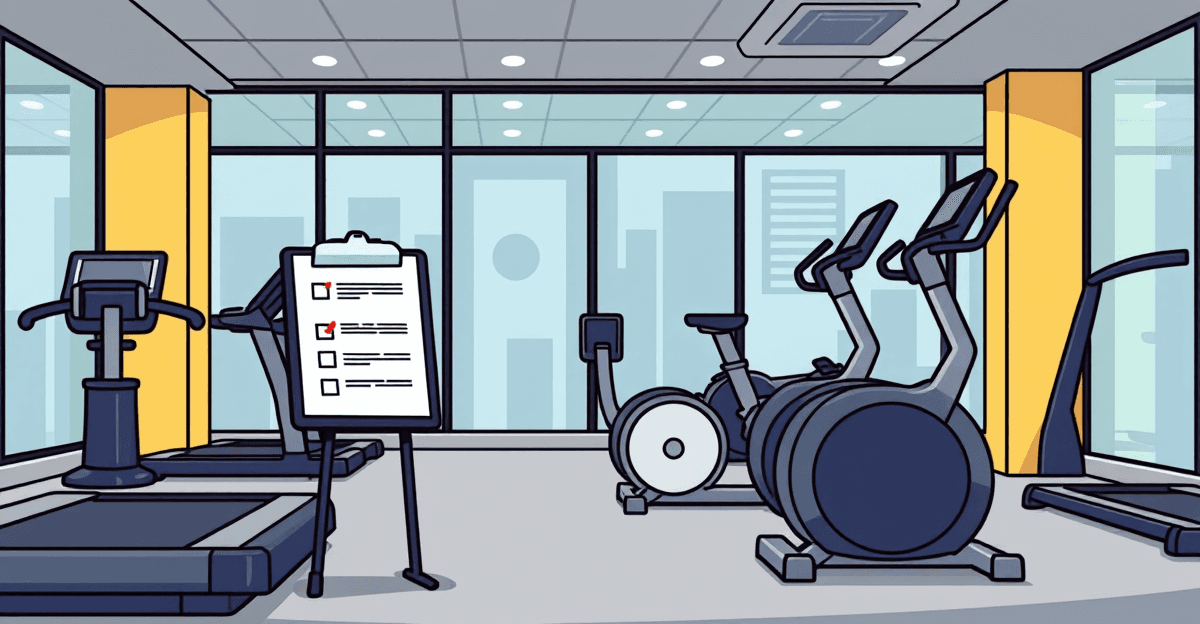
I walked into a condo gym in Sengkang last year where the treadmill belt was fraying, two cable machines had rust on the pulleys, and a weight bench had a cracked seat pad held together with duct tape. The MCST's response: "Nobody's complained yet." That changed two weeks later when a resident slipped on a treadmill with a worn belt and threatened legal action.
TL;DR: Essential gym equipment maintenance schedule for Singapore condos. MCST compliance checklist, safety standards, and preventive maintenance best practices for facilities managers.
Gym maintenance isn't just about keeping residents happy — it's a legal obligation under the BMSMA. Neglect exposes your MCST to liability claims and safety incidents. Here's what a proper maintenance schedule looks like for Singapore condos.
Why Gym Equipment Maintenance Matters for MCSTCs
Gym equipment in residential condos operates differently than commercial gyms. Residents use it sporadically, often with minimal training, and equipment sits idle for extended periods. This combination creates unique maintenance challenges:
Safety and Liability Risk: A treadmill with worn cushioning or a cable machine with fraying cables can cause resident injuries. Under BMSMA, your MCST is liable for accidents caused by negligent maintenance. Even one serious injury can result in six-figure legal payouts and reputational damage.
Regulatory Compliance: While there's no specific MCST gym equipment regulation, the Building and Construction Authority (BCA) expects common facilities to meet general safety standards. The Ministry of Manpower (MOM) Workplace Safety and Health Act applies if staff use the gym. SCDF may inspect during fire safety audits and flag poorly maintained electrical equipment.
Resident Satisfaction: Well-maintained gym facilities are a major selling point. Broken equipment frustrates residents and drives negative reviews on condo forums like EdgeProp and PropertyShark.
Equipment Longevity: Preventive maintenance costs significantly less than emergency repairs or replacement. A properly maintained treadmill lasts 7-10 years; neglected equipment fails in 3-4 years.
Understanding Singapore's Tropical Environment
Singapore's climate accelerates equipment deterioration in ways mainland maintenance schedules don't account for:
- •High Humidity (80-90%): Metal corrodes faster. Electrical contacts oxidize. Lubricants dry out quicker than temperate-climate specifications assume.
- •Heat (28-35°C): Rubber compounds degrade faster. Motor components overheat. Sweat and moisture penetrate deep into equipment.
- •Salt Spray (near coastal areas): Accelerates rust on metal frames and fasteners.
Practical Impact: Equipment requiring annual maintenance in cooler climates often needs servicing every 3-4 months in Singapore. Adjust your schedule accordingly.
Still tracking gym-equipment-maintenance jobs in spreadsheets and WhatsApp?
Werkks schedules recurring maintenance, keeps photo records of every completed job, and shows live status across all your contractors and staff. Free for 14 days.
Core Gym Equipment Categories and Maintenance Needs
1. Cardiovascular Equipment (Treadmills, Stationary Bikes, Ellipticals)
These are your highest-maintenance items, combining electrical and mechanical complexity.
Monthly Inspections:
- •Check belt tension and alignment on treadmills (should move smoothly without slipping)
- •Inspect electrical plugs and cords for damage, corrosion, or moisture
- •Test emergency stop buttons and safety clips
- •Wipe down moisture and dust buildup
- •Check for rust on metal frames, especially in humid areas
Quarterly Professional Service:
- •Motor lubrication and electrical safety testing
- •Belt replacement (typically every 12-18 months in Singapore due to humidity)
- •Calibration of resistance and display screens
- •Thermal imaging to detect overheating components
Annual Third-Party Electrical Safety Certification:
Engage a licensed electrical contractor to conduct PAT (Portable Appliance Testing) testing per Singapore Standards SS 638. This is non-negotiable for liability protection.
2. Strength Training Equipment (Weight Machines, Dumbbells, Benches)
Lower maintenance burden, but safety-critical.
Monthly Inspections:
- •Check cable tension and alignment on cable machines
- •Inspect all pins, bolts, and fasteners for looseness
- •Look for fraying cables or bent metal
- •Test weight stack movements for smooth operation
- •Check weight stack blocks for cracks
Quarterly Service:
- •Lubricate pivot points and cable routes
- •Tighten all fasteners
- •Replace worn safety clips or handles
- •Deep clean frames and remove rust spots
Dumbbell and Barbell Care:
- •Store in designated racks to prevent floor contact and rusting
- •Wipe regularly with dry cloth
- •Check for corrosion monthly, especially plate surfaces
- •Inspect for cracks or splinters on handles
3. Free Weights and Accessories
Monthly:
- •Visual inspection for rust, cracks, or damage
- •Ensure plates are stored properly and not exposed to moisture
- •Check mats for wear, tears, and slip hazards
Quarterly:
- •Deep clean weights with appropriate lubricant to prevent rust
- •Replace damaged weight collars or clips
- •Inspect mats and replace if worn
Creating Your MCST Gym Maintenance Schedule
Step 1: Conduct an Equipment Audit
List every piece of equipment with:
- •Equipment name, model, serial number
- •Purchase date and warranty end date
- •Electrical (yes/no)
- •Last service date
Store this register digitally for easy reference during inspections. Werkks simplifies job scheduling and invoicing for Singapore facilities managers, allowing you to track equipment maintenance history and schedule automated reminders for preventive service.
Step 2: Establish Your Maintenance Tiers
Tier 1 - High Risk (Monthly):
- •All electrical cardiovascular equipment
- •Cable machines with resistance systems
Tier 2 - Medium Risk (Quarterly):
- •Weight machines, benches
- •Non-electrical resistance equipment
Tier 3 - Low Risk (Bi-annually):
- •Free weights, dumbbells
- •Mats, accessories
Step 3: Build Your Monthly Calendar
Week 1: Tier 1 equipment inspection + minor repairs
Week 2: Tier 2 equipment inspection + minor repairs
Week 3: Document all findings; schedule professional services
Week 4: Spare parts ordering; resident communication
Step 4: Schedule Professional Contractors
Engage qualified contractors for:
- •Electrical Safety Testing: Annual (licensed electrician)
- •Cardiovascular Equipment Servicing: Quarterly (manufacturer-authorized technician)
- •Structural and Cable Inspection: Semi-annually
Get competitive quotes from at least 2-3 contractors. Typical costs in Singapore:
- •Treadmill quarterly service: SGD 150-250
- •Stationary bike quarterly service: SGD 120-180
- •Electrical PAT testing (per unit): SGD 30-50
Step 5: Document Everything
Maintain a maintenance log for each equipment unit:
- •Date of inspection/service
- •Inspector/contractor name
- •Issues identified
- •Actions taken
- •Parts replaced
- •Next service date
- •Contractor invoice/certificate
This documentation is essential for:
- •Insurance claims
- •SCDF inspections
- •Resident disputes
- •Warranty claims
- •Liability defense
Common Maintenance Issues in Singapore Condos
Issue 1: Moisture and Rust Buildup
Symptoms: Orange/brown discoloration on metal, sticky resistance, musty smell
Root Cause: High humidity, inadequate ventilation in gym
Solution:
- •Improve gym ventilation (install ceiling fans, air vents)
- •Use dehumidifiers or moisture-absorbing containers
- •Wipe equipment daily with dry microfiber cloths
- •Apply rust-inhibiting lubricant monthly
Issue 2: Electrical Faults and Tripping
Symptoms: Equipment won't power on, circuit breakers trip frequently, sparks or burning smell
Root Cause: Moisture ingress, worn insulation, overloaded circuits
Solution:
- •Stop use immediately—risk of electrocution
- •Engage licensed electrician for PAT testing
- •May require equipment replacement if damage is severe
- •Install moisture-proof covers over electrical outlets
Issue 3: Belt and Cable Degradation
Symptoms: Treadmill belt slips or squeaks, cables fray or feel rough, jerky resistance changes
Root Cause: Humidity accelerates rubber and nylon degradation; tropical heat weakens materials
Solution:
- •Replace treadmill belts every 12-18 months (vs. 24 months in cooler climates)
- •Replace cables every 2-3 years
- •Lubricate belt undersides every 2 months
- •Check alignment monthly to prevent premature wear
Issue 4: Loose Fasteners and Structural Integrity
Symptoms: Equipment wobbles, bolts are visibly loose, creaking sounds
Root Cause: Vibration from frequent use, humidity-induced expansion/contraction
Solution:
- •Inspect all fasteners monthly
- •Use thread-locking compound on critical bolts
- •Tighten bolts in correct sequence (diagonal pattern for weight machines)
- •Replace corroded bolts with stainless steel alternatives
Resident Communication and Maintenance Signage
Keep residents informed and accountable:
Posted Guidelines:
- •How to report equipment damage or malfunction
- •Proper use instructions (with visual diagrams)
- •Maintenance schedule (so residents know when equipment will be temporarily unavailable)
Emergency Contact Procedure:
Post a laminated sign with:
- •Emergency contact number for facility manager
- •What to do if equipment malfunctions (STOP USE immediately)
- •Accident reporting procedure
Maintenance Alerts:
Notify residents when equipment is out of service. Use condo app, WhatsApp bulletin board, or notice board.
Budget Planning for Gym Equipment Maintenance
Annual Budget Estimate (50-unit condo with standard gym):
| Category | Cost Range |
|---|---|
| Monthly inspections (internal staff time) | SGD 500-800 |
| Quarterly professional servicing (4 units × 4 times) | SGD 2,000-3,000 |
| Annual electrical PAT testing | SGD 400-600 |
| Parts and replacement (belts, cables, bearings) | SGD 1,500-2,500 |
| Total Annual | SGD 4,400-6,900 |
Reserve for Emergency Replacement: SGD 2,000-3,000 annually (equipment can fail unexpectedly)
Werkks for MCST Maintenance Management
Coordinating gym maintenance across vendors, tracking compliance, and managing invoices is complex—especially when you're also handling building maintenance, pest control, and repairs. Werkks simplifies job scheduling and invoicing for Singapore facilities managers, allowing you to:
- •Schedule preventive maintenance automatically
- •Assign tasks to internal staff or external contractors
- •Track maintenance history and generate compliance reports
- •Manage contractor invoices and payments centrally
- •Set reminders for critical safety certifications
Digital records ensure you're always audit-ready for SCDF, BCA, or insurance inspections.
Final Checklist: Is Your MCST Gym Maintenance-Ready?
- •[ ] Equipment audit completed and digital register established
- •[ ] Monthly, quarterly, and annual maintenance schedules created
- •[ ] Licensed contractor relationships established (electrical, servicing)
- •[ ] Maintenance log template prepared (digital or hardcopy)
- •[ ] Emergency contact procedures posted in gym
- •[ ] Annual budget allocated and approved by council
- •[ ] Residents notified of maintenance schedule
- •[ ] Staff trained on basic monthly inspection procedures
- •[ ] Insurance coverage includes gym equipment liability
- •[ ] Compliance with SS 638 (electrical safety) verified
Conclusion
Gym equipment maintenance isn't glamorous, but it's fundamental to MCST governance under the BMSMA. By implementing systematic, Singapore-adapted maintenance schedules, you protect resident safety, defend against liability, ensure regulatory compliance, and extend equipment life—all while maintaining resident satisfaction.
Start with a comprehensive equipment audit this month. Prioritize electrical equipment for immediate attention. Engage professional contractors for quarterly servicing. Document everything meticulously. Your future self (and your legal team) will thank you.
Sources
- 1.Building Maintenance and Strata Management Act
- 2.BCA — Building and Construction Authority
- 3.Strata Titles Board
Have questions about gym equipment maintenance standards in Singapore? Reach out to your BCA district office or consult with your MCST legal advisor for specific compliance requirements for your development.
Frequently Asked Questions
What are MCST's legal responsibilities for gym equipment maintenance under the BMSMA Act?
Under the Building Maintenance and Strata Management Act (BMSMA), MCSTCs are legally obligated to maintain all common property, including gym facilities, in safe and good working condition. This includes regular inspection, maintenance, and replacement of equipment to prevent injuries. Failure to maintain equipment to safety standards can result in liability claims and SCDF enforcement action. Your MCST should maintain detailed maintenance records as evidence of compliance.
How often should gym equipment be serviced in Singapore's tropical climate?
Singapore's high humidity and saltiness accelerate corrosion and material degradation. Equipment should be inspected monthly, serviced quarterly, and deep-cleaned bi-annually. Treadmills, stationary bikes, and weight machines require monthly checks for electrical safety, belt tension, and rust. Humid conditions mean lubricants dry faster—expect to service equipment 25-30% more frequently than temperate climates recommend.
Which gym equipment requires professional third-party certification in Singapore?
Electrical equipment (treadmills, stationary bikes, ellipticals) must comply with Singapore Standards SS 638 (General requirements for safety of electrical equipment). Professional electricians should conduct annual electrical safety inspections. Cable machines, free weights, and benches require visual safety inspections but don't need third-party certification. However, MOM's Workplace Safety Health guidelines still apply if gym equipment is used by service staff or residents regularly.
What documentation should an MCST maintain for gym equipment maintenance?
Maintain an equipment register with serial numbers, purchase dates, and warranty details. Document all inspections, repairs, and maintenance activities with dates, issues found, and corrective actions taken. Keep service certificates from contractors. This documentation is critical during SCDF inspections, insurance claims, and legal disputes. Digital records using platforms like Werkks ensure easy audit trails and compliance evidence.
Core compliance reading: What Is the BMSMA? MCST Rules, Duties and Penalties — the Building Maintenance and Strata Management Act guide every Singapore building manager should know.
About the author
Mervin Tan
Founder, Werkks
Mervin Tan is the founder of Werkks and a software engineer based in Singapore. He builds maintenance management software used by Singapore facility teams, and writes practical guides on BCA, SCDF, PUB and BMSMA compliance for building managers and MCST councils. Werkks is built by Adaptels Pte. Ltd., Singapore.
gym-equipment-maintenanceMCST-managementcondo-maintenancefacilities-managementsingapore-regulationspreventive-maintenance
Keep your maintenance records inspection-ready
Schedule recurring inspections, collect photo proof of completed work, and keep an audit trail of every job — free for 14 days. No credit card required.
Start Free TrialNo credit card14-day trialCancel anytime
Related Articles
maintenance-guides
HVAC Maintenance for Singapore Commercial Buildings: Tropical Climate Best Practices
Essential HVAC maintenance guide for Singapore commercial buildings. Beat tropical humidity, comply with BCA standards, and prevent costly breakdowns with proven best practices.
maintenance-guidesGenerator Maintenance Schedule for Singapore Commercial Buildings
Essential generator maintenance schedules for Singapore commercial buildings. Comply with BCA/SCDF regulations, reduce downtime, and protect your facility investment.
maintenance-guidesRoof Waterproofing Maintenance in Singapore: Tropical Climate Challenges
Essential roof waterproofing maintenance guide for Singapore facilities managers. Navigate tropical climate challenges, BCA compliance, and cost-effective repair strategies.