compliance8Mervin Tan
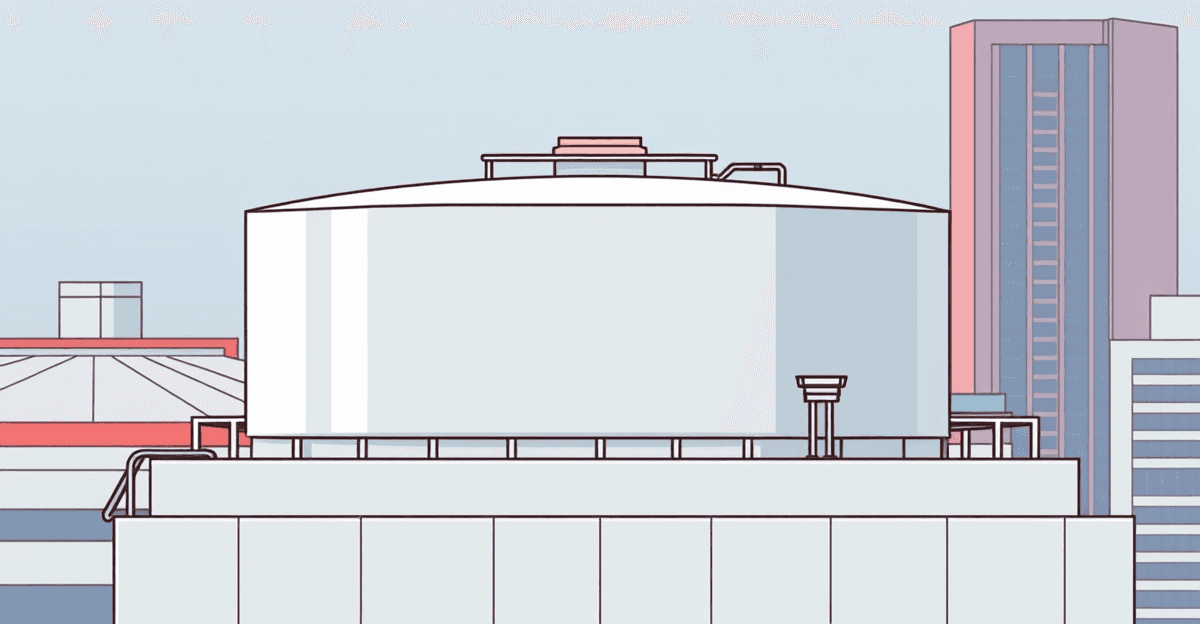
A building manager I know discovered brown-tinged water coming out of taps on the 15th floor. Residents were posting photos in the condo WhatsApp group. Turns out, the roof tank hadn't been cleaned in over two years — well past the PUB-mandated schedule. The emergency cleaning cost three times what a routine service would have, and the MCST had to issue a formal apology. Water tank maintenance is one of the most overlooked yet critically important responsibilities for Singapore building managers, MCST committees, and facilities teams. Every commercial and residential building connected to the Public Utilities Board (PUB) water supply must maintain strict cleaning and hygiene standards. Non-compliance doesn't just risk health and safety—it exposes your organisation to regulatory action, hefty fines, and potential service disconnection.
TL;DR: Singapore PUB water tank cleaning requirements, compliance schedules, and maintenance obligations for building managers, MCST, and facilities teams.
This guide walks you through Singapore's specific water tank cleaning requirements, compliance timelines, and practical steps to keep your building's water system safe and legally compliant.
Why Water Tank Cleaning Matters in Singapore
Singapore's tropical climate, combined with high population density and stringent public health standards, makes water tank maintenance non-negotiable. The island's humidity, temperature fluctuations, and seasonal monsoons create ideal conditions for algae growth, microbial contamination, and sediment accumulation in storage tanks.
PUB, the national water agency, has established clear regulations through the Water Supply (Pressure Equipment) Regulations and the Water Quality Standards framework. Building managers and property owners are legally accountable for maintaining these standards. Under the Building Maintenance and Strata Management Act (BMSMA), MCST committees are also responsible for ensuring common property—including water systems—meets all safety and health requirements.
Failure to comply isn't a minor issue: PUB can issue compliance orders, impose fines, or in serious cases, disconnect the building's water supply entirely.
PUB Water Tank Cleaning Requirements: What You Need to Know
Mandatory Cleaning Frequency
PUB requires potable water storage tanks to be cleaned at least once every 12 months. This is the baseline compliance standard.
However, the actual frequency depends on several factors:
- •Tank condition: Older tanks or those showing signs of rust, corrosion, or sediment
- •Water quality test results: If microbial or chemical contaminants are detected, additional cleaning is required
- •Environmental exposure: Tanks in areas prone to dust, pests, or flooding may need cleaning every 6 months
- •Building usage: High-occupancy buildings or those with recent water quality incidents should clean more frequently
Most facilities managers in Singapore find that 6-monthly cleaning is a prudent preventive approach, especially for residential high-rises and commercial buildings.
Water Quality Testing Requirements
Alongside cleaning, PUB requires regular water quality testing at the point of supply. Building managers should:
- •Conduct bacteriological testing (E. coli, Total Viable Count) at least quarterly
- •Test for chemical residues, pH levels, and turbidity
- •Maintain complete testing records for a minimum of 3 years
- •Engage an approved testing laboratory accredited by PUB
If testing reveals contamination, cleaning must be performed immediately, followed by repeat testing before the tank is returned to service.
Documentation and Record-Keeping
PUB compliance demands meticulous documentation:
- •Cleaning certificates: Signed by the licensed contractor detailing date, time, chemicals used, and observations
- •Water quality test reports: From accredited laboratories with clear pass/fail results
- •Maintenance logs: A complete chronological record of all tank-related work
- •Contractor credentials: Proof that contractors are PUB-approved or certified
This documentation must be available during PUB inspections and regulatory audits. Many facilities managers use maintenance management systems to track these records digitally—Werkks simplifies job scheduling and invoicing for Singapore facilities managers, making it easier to coordinate cleaning schedules with contractors and maintain compliance documentation in one place.
Still tracking water-tank-cleaning jobs in spreadsheets and WhatsApp?
Werkks schedules recurring maintenance, keeps photo records of every completed job, and shows live status across all your contractors and staff. Free for 14 days.
Step-by-Step: How to Clean Water Tanks Compliantly
Step 1: Engage a Licensed Contractor
Don't attempt DIY water tank cleaning. PUB recognises approved contractors and licensed plumbers who understand Singapore's specific standards. When selecting a contractor, verify:
- •License status: Active plumbing license from PUB-registered providers
- •Insurance: Public liability and professional indemnity coverage
- •Experience: Portfolio of commercial or residential tank cleaning work
- •Certification: Understanding of international standards (ISO 9001, ISO 14001 preferred)
Step 2: Prepare the Building and Water System
Before cleaning begins:
- •Schedule the work during low-demand hours (early morning or late evening) to minimise water supply interruption
- •Notify residents or tenants of the temporary water shutdown
- •Isolate the storage tank from the mains supply and distribution lines
- •Drain the tank completely and safely
Step 3: Perform Internal Cleaning
The contractor will:
- •Inspect the tank interior for structural damage, corrosion, or sediment buildup
- •Remove all sediment and debris using manual scrubbing or pressure washing
- •Disinfect using approved biocides or chlorine-based sanitisers
- •Rinse thoroughly with clean water multiple times until residue is eliminated
- •Check all pipe connections, baffles, and internal fixtures
Step 4: External Inspection and Maintenance
While the tank is offline:
- •Inspect the exterior for rust, cracks, or leaks
- •Clean the tank roof and surrounding area of debris
- •Check the overflow pipe, vent, and access covers for functionality
- •Apply protective coatings if corrosion is evident
Step 5: Water Quality Testing
Before returning the tank to service:
- •Conduct immediate microbiological testing (bacterial count)
- •Test for residual disinfectant levels
- •Verify pH, turbidity, and chemical safety
- •Receive written certification from an approved laboratory
Step 6: Documentation and Sign-Off
- •Obtain the contractor's cleaning certificate
- •File all test reports and inspection notes
- •Update your maintenance log with completion date and observations
- •Schedule the next cleaning cycle on your calendar (12 months minimum, 6 months recommended)
Singapore Regulations and Standards You Must Know
PUB Water Supply Act
The PUB Water Supply Act (Chapter 318) is the primary legislation governing water safety in Singapore. It empowers PUB to inspect and regulate all water storage facilities, and grants them authority to issue compliance notices or disconnect services if standards aren't met.
Building Maintenance and Strata Management Act (BMSMA)
Under the BMSMA, MCST committees have a legal duty to maintain common property in good condition. Water systems are explicitly considered common property. This means:
- •MCST chairpersons and treasurers can face personal liability if water tank maintenance is neglected
- •Building management companies must ensure contractors meet professional standards
- •Failure to maintain records can result in disputes during property audits or disputes
Singapore Standard CP 51: Code of Practice for Maintenance of Building Services
This Building and Construction Authority (BCA) standard provides guidelines for maintaining all building services, including water systems. It recommends:
- •6-monthly inspections for visual signs of deterioration
- •Annual cleaning and disinfection
- •Quarterly water quality testing
- •Documented maintenance procedures
Tropical Climate Considerations
Singapore's climate accelerates tank degradation. The high humidity and temperature mean:
- •Algae growth: Faster in warm water, requiring additional chemical treatment
- •Corrosion: Metal tanks corrode more quickly; stainless steel is preferred
- •Pest infiltration: Monsoon periods increase risk of mosquito breeding and pest entry through tank vents
- •Sediment accumulation: Dust storms and construction activity in urban areas increase sediment load
Common Compliance Mistakes and How to Avoid Them
Mistake 1: Irregular Cleaning Schedules
Problem: Building managers assume annual cleaning is sufficient, skipping interim checks.
Solution: Adopt a 6-monthly preventive schedule and conduct visual inspections quarterly. Use a maintenance management system to automate reminders and contractor coordination.
Mistake 2: Poor Contractor Selection
Problem: Hiring unverified or inexperienced contractors who don't follow PUB protocols.
Solution: Maintain a pre-approved list of PUB-registered contractors. Always request credentials, insurance, and references before engagement.
Mistake 3: Incomplete Documentation
Problem: Not maintaining records of cleaning, testing, or contractor certifications.
Solution: Establish a document management protocol. Digitalise records using cloud-based systems for easy retrieval during inspections.
Mistake 4: Ignoring Water Quality Test Results
Problem: Receiving test reports but not acting on findings immediately.
Solution: Establish a protocol: if tests reveal contamination, schedule emergency cleaning within 48 hours and repeat testing before tank use resumes.
Mistake 5: Inadequate Communication
Problem: Failing to notify residents/tenants of scheduled maintenance, causing service complaints.
Solution: Send advance notices (minimum 7 days) via email, SMS, and notice boards. Coordinate timing to minimise disruption.
Cost Considerations and Budgeting
Water tank cleaning in Singapore typically costs:
- •Small buildings (1-5 storeys, <500 pax): SGD 800–1,500 per clean
- •Medium buildings (6-15 storeys, 500–2,000 pax): SGD 1,500–3,500 per clean
- •Large buildings (16+ storeys, >2,000 pax): SGD 3,500–7,000+ per clean
Additional costs include:
- •Water quality testing: SGD 200–400 per test
- •Contractor call-out fees for emergency cleaning: SGD 500–1,000
- •Tank repairs or coating: SGD 2,000–10,000 (if needed)
Budget recommendation: Allocate SGD 2,000–4,000 annually per building for routine cleaning and testing, plus a contingency reserve for unexpected repairs.
Penalties — PUB Doesn't Give Warnings
Under the Public Utilities (Water Supply) Regulations:
- •First offence: Fine up to $5,000
- •Subsequent offences: Fine up to $10,000
- •Contamination incidents: If contaminated water causes illness, building owners face additional liability under common law and the Environmental Public Health Act
I've seen one case where a condo MCST in the east side got hit with a contamination incident. PUB came in, did their investigation, issued mandatory corrective works at the MCST's expense, and the reputational damage was severe — it was all over the condo's resident chat groups within hours. For premium developments, that kind of incident tanks confidence in the management.
Best Practices for Ongoing Compliance
- 1.Establish a Maintenance Committee: Assign responsibility for water system oversight to a dedicated person or team
- 2.Create a Maintenance Manual: Document procedures, contractor details, and regulatory requirements
- 3.Use Digital Scheduling: Track cleaning dates, test results, and contractor contacts in one system
- 4.Conduct Quarterly Reviews: Assess water quality trends and adjust cleaning frequency if needed
- 5.Train Your Team: Ensure building staff understand the importance of water system maintenance
- 6.Stay Updated: Subscribe to PUB bulletins and regulatory updates from BCA
Preparing for PUB Inspections
PUB conducts random inspections, particularly following complaints or after high-risk events (e.g., contamination incidents, new construction nearby). To be inspection-ready:
- •Maintain all documentation in a clearly labelled folder (physical or digital)
- •Ensure the tank access is unobstructed and safe
- •Have contractor certificates and test reports immediately available
- •Document any recent maintenance or repairs
- •Prepare a brief history of water quality issues (if any) and remedial actions taken
Conclusion
Water tank cleaning is not optional in Singapore—it's a legal obligation backed by PUB regulations and the BMSMA. Building managers and MCST committees who prioritise this maintenance protect their residents' health, avoid regulatory penalties, and preserve their building's water infrastructure.
The key to success is consistency: establish a 6-monthly cleaning schedule with a licensed contractor, conduct quarterly water quality testing, maintain detailed records, and stay informed about Singapore's evolving water safety standards.
By taking a proactive, documented approach to water tank maintenance, you'll ensure compliance, reduce emergency costs, and demonstrate professional stewardship to residents and regulators alike.
Sources
- 1.PUB — Singapore's National Water Agency
- 2.NEA — National Environment Agency
- 3.SFA — Singapore Food Agency
Ready to streamline your maintenance scheduling? Werkks helps Singapore facilities managers coordinate contractor visits, track compliance documentation, and manage invoicing—all in one platform. Learn more about how Werkks can simplify your water tank maintenance scheduling.
Frequently Asked Questions
How often must water tanks be cleaned in Singapore?
PUB requires potable water storage tanks to be cleaned at least once every 12 months. However, depending on tank condition, water quality testing results, and environmental factors (dust, pest activity), more frequent cleaning may be necessary. Building managers should establish a preventive maintenance schedule based on their specific building profile and tropical climate exposure. Document all cleaning records for PUB inspections.
What happens if my building fails a PUB water quality inspection?
Failure to maintain water quality standards can result in PUB issuing compliance orders, warning letters, or in severe cases, disconnection notices. Building owners and MCST managers are legally responsible under the BMSMA Act. You'll be required to engage licensed contractors immediately, conduct remedial cleaning, and provide proof of corrective action. Repeated non-compliance can lead to fines up to SGD 5,000.
Do I need a licensed contractor for water tank cleaning?
Yes, PUB strongly recommends using licensed plumbers or water service contractors who understand Singapore's Water Quality Standards. These professionals are trained in biosecurity protocols, proper chemical handling, and documentation requirements. They'll provide certification of cleaning, which is essential for building maintenance records and regulatory compliance.
What's the difference between internal and external tank cleaning?
Internal cleaning removes sediment, biofilm, and microbial buildup inside the tank—critical for water safety. External cleaning maintains structural integrity and prevents corrosion. PUB compliance focuses on internal water quality, but both are essential. During tropical seasons in Singapore, external tank surfaces accumulate algae and debris quickly, affecting tank longevity.
Core compliance reading: What Is the BMSMA? MCST Rules, Duties and Penalties — the Building Maintenance and Strata Management Act guide every Singapore building manager should know.
About the author
Mervin Tan
Founder, Werkks
Mervin Tan is the founder of Werkks and a software engineer based in Singapore. He builds maintenance management software used by Singapore facility teams, and writes practical guides on BCA, SCDF, PUB and BMSMA compliance for building managers and MCST councils. Werkks is built by Adaptels Pte. Ltd., Singapore.
water-tank-cleaningPUB-compliancefacilities-managementSingapore-regulationsbuilding-maintenanceMCST
Keep your maintenance records inspection-ready
Schedule recurring inspections, collect photo proof of completed work, and keep an audit trail of every job — free for 14 days. No credit card required.
Start Free TrialNo credit card14-day trialCancel anytime
Related Articles
compliance
Lift Maintenance Requirements in Singapore: BCA Safety Regulations for Building Owners
Complete guide to Singapore lift maintenance regulations, BCA requirements, inspection schedules, and MCST obligations for building owners and facilities managers.
complianceFire Safety Inspection Requirements for Singapore Buildings: SCDF Compliance Guide
Complete guide to Singapore fire safety inspection requirements, SCDF compliance, and maintenance schedules for facilities managers and MCST boards managing residential and commercial buildings.
complianceEscalator Maintenance Requirements in Singapore: Safety and Compliance Guide
Essential escalator maintenance checklist for Singapore facilities managers. Comply with BCA, SCDF regulations, prevent downtime, and protect occupants safely.