compliance8Mervin Tan
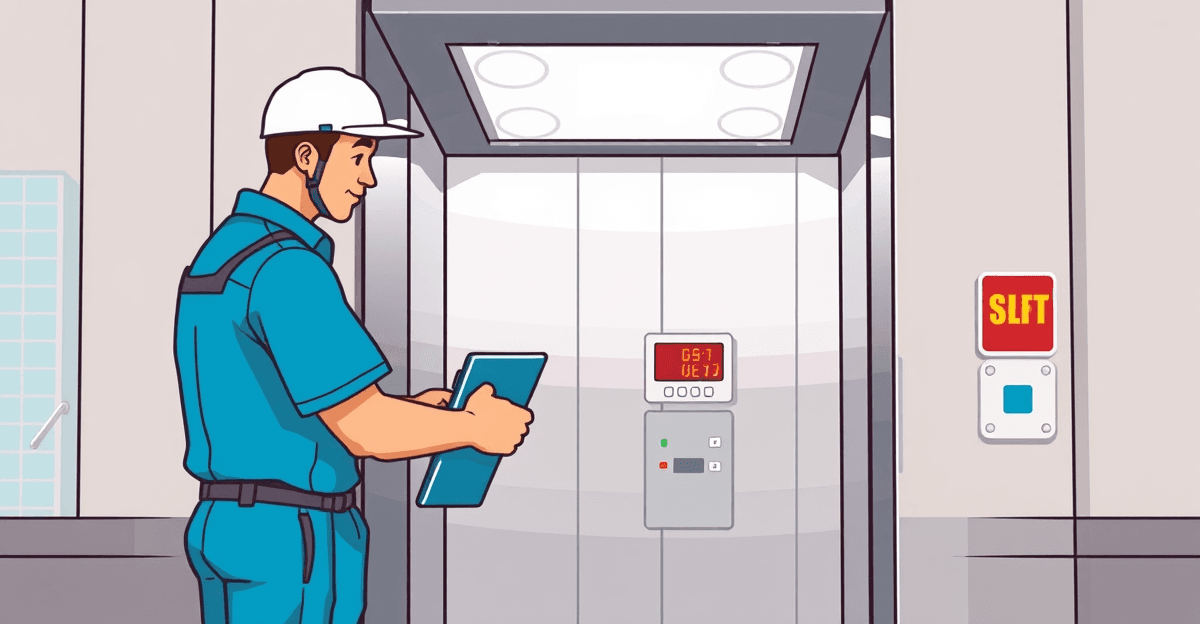
I once had an MCST chairman call me in a panic because BCA had flagged their building for overdue lift inspections. The fine potential: up to $10,000 per lift. They had four lifts. That's a $40,000 problem that could have been avoided with a simple maintenance calendar. Lifts are among the most critical infrastructure systems in any Singapore building, and for facility managers, MCST committees, and building owners, understanding lift maintenance regulations isn't optional—it's a legal obligation that directly impacts tenant safety, insurance coverage, and operational compliance.
TL;DR: Complete guide to Singapore lift maintenance regulations, BCA requirements, inspection schedules, and MCST obligations for building owners and facilities managers.
The Building and Construction Authority (BCA) enforces strict lift safety standards across Singapore through the Building Code and safety regulations. Non-compliance can result in hefty fines, forced shutdowns, and even personal liability for key decision-makers. This guide walks you through every requirement you need to know.
Understanding BCA Lift Safety Regulations in Singapore
The Legal Framework
Lift safety in Singapore is governed by:
- •Building and Construction Authority (BCA) – Primary regulator for lift installation, maintenance, and safety
- •Electrical Safety Division (ESD) – Oversees electrical components and safety devices
- •Singapore Civil Defence Force (SCDF) – Enforces fire safety and emergency features
- •Ministry of Manpower (MOM) – Sets occupational safety standards for maintenance workers
- •Building Maintenance and Strata Management (BMSMA) Act – Defines MCST responsibilities
The BCA's Code on Safety Precautions for Lifts is the definitive standard all building owners must follow. Compliance is not negotiable.
Why Lift Maintenance Matters Beyond Regulation
Beyond regulatory compliance, lift maintenance directly affects:
- •Tenant safety and building insurability – Insurers require documented maintenance schedules
- •Downtime and operational costs – Preventive maintenance costs far less than emergency repairs
- •Liability exposure – Building owners can face personal liability if a poorly-maintained lift causes injury
- •Building value – Well-maintained lift systems are a key asset in property valuations
BCA Mandatory Maintenance Schedule for Singapore Lifts
Monthly Servicing Requirements
The BCA mandates at least one full service visit per calendar month for all passenger and goods lifts. This service must include:
- •Comprehensive mechanical inspection (ropes, pulleys, buffers, guide rails)
- •Electrical system checks (buttons, lights, emergency alarms)
- •Hydraulic fluid testing (if applicable) and pressure verification
- •Safety device testing (overspeed governors, brake performance)
- •Pit inspection for debris, moisture, and cable condition
- •Documentation of all findings and corrective actions
Service records must be retained for at least two years and made available to BCA inspectors on demand.
High-Traffic Buildings: Fortnightly Service
Commercial office towers, shopping malls, and hospitals often require fortnightly (14-day) servicing due to higher usage rates. Your appointed contractor should assess whether your building qualifies based on:
- •Daily passenger volume
- •Operating hours
- •Historical fault patterns
- •Manufacturer specifications
Annual Deep Inspection and Certification
In addition to monthly services, every lift must undergo a comprehensive annual inspection conducted by an approved competent person or contractor. This inspection includes:
- •Complete dismantling and inspection of brake systems
- •Load-testing of safety devices
- •Rope or chain replacement assessment
- •Machine room environmental checks (temperature, humidity, cleanliness)
- •Full electrical system review
- •Issuance of a Safety Certificate (valid for 12 months)
The annual Safety Certificate must be displayed inside the lift cabin at all times.
Still tracking lift maintenance jobs in spreadsheets and WhatsApp?
Werkks schedules recurring maintenance, keeps photo records of every completed job, and shows live status across all your contractors and staff. Free for 14 days.
MCST and Building Owner Responsibilities
Legal Obligations Under the BMSMA Act
If your building has a Management Corporation (MCST), the corporation is legally responsible for arranging lift maintenance and ensuring compliance. However, individual unit owners share financial responsibility through maintenance contributions.
Key MCST duties:
- •Appoint a qualified, BCA-approved lift contractor
- •Maintain comprehensive insurance coverage for lifts
- •Maintain detailed maintenance records and budgets
- •Communicate with residents about scheduled shutdowns
- •Address resident complaints about lift safety
- •Conduct annual reviews of contractor performance
- •Ensure the lift contractor holds current BCA authorization
Failure to maintain proper lift servicing can result in:
- •BCA fines of up to SGD 5,000
- •Potential lift shutdown orders
- •Invalidated building insurance
- •Personal liability for committee members (in some cases)
Selecting an Approved Lift Contractor
BCA Contractor Authorization
Not all maintenance companies can service lifts. Your contractor must be:
- •Registered and approved by the BCA
- •Holding current licenses for lift maintenance and inspection
- •Employing at least one competent person certified by BCA or approved training bodies
- •Insured with professional indemnity and public liability coverage
You can verify contractor credentials on the BCA website's register of contractors.
What to Look for in a Contractor
Beyond BCA approval, choose a contractor that offers:
- •Transparent pricing and detailed service reports – You should understand exactly what work was performed
- •Emergency response capability – Available 24/7 for lift entrapment or safety issues
- •Spare parts inventory – Reduces downtime during unexpected repairs
- •Proactive communication – Alerts you to upcoming maintenance windows and identified issues
- •Digital record-keeping – Makes compliance documentation easier to manage
For Singapore facilities managers juggling multiple contractors and compliance deadlines, Werkks simplifies job scheduling and invoicing for Singapore facilities managers, allowing you to coordinate maintenance visits, track compliance documentation, and manage contractor communications from a single platform.
Tropical Climate Considerations for Singapore Lifts
Singapore's hot and humid environment accelerates wear on lift systems. The BCA acknowledges this in guidance recommending:
Increased Inspection Frequency
- •Hydraulic systems – Check fluid condition quarterly (vs. monthly in temperate climates) due to faster degradation
- •Electrical connections – Moisture ingress is common; connectors should be inspected for corrosion every two months
- •Rope condition – Humidity accelerates rust; visual inspection should occur during every service
Machine Room Environmental Control
- •Maintain machine room temperature between 5-40°C (many older buildings lack AC)
- •Ensure proper ventilation to reduce humidity buildup
- •Install dehumidifiers if moisture levels exceed 80% RH
- •Keep machine rooms clean and free of dust accumulation
Pit and Guide Rail Maintenance
The lift pit (lowest point) is where moisture and debris accumulate fastest in tropical environments. Enhanced protocols should include:
- •Monthly pit inspection and cleaning
- •Quarterly deep cleaning and water removal
- •Guide rail lubrication every 6 months (vs. annual in drier climates)
- •Drain system checks to prevent stagnant water
Common Compliance Issues and How to Avoid Them
Issue 1: Gaps in Service Documentation
The Problem: Many building owners maintain lifts but lack organized records. When BCA inspects, paperwork is incomplete or missing.
The Solution:
- •Implement a digital maintenance log (preferably via your contractor's system)
- •Request detailed service reports after every visit
- •Maintain a checklist of annual inspection requirements
- •Set calendar reminders for inspection deadlines
Issue 2: Using Unapproved Contractors to Save Costs
The Problem: Choosing the cheapest contractor, who then cuts corners or lacks BCA approval. When an incident occurs, insurance is voided.
The Solution:
- •Always verify BCA approval before signing contracts
- •Request references from other building owners
- •Include specific compliance clauses in contractor agreements
- •Budget appropriately—lift maintenance is not an area to economize
Issue 3: Delayed Response to Safety Inspection Findings
The Problem: Contractors identify issues (worn ropes, failing brakes) but owners delay repairs due to cost or downtime concerns.
The Solution:
- •Establish a policy: critical safety findings are addressed within 7 days
- •Segregate emergency repair budgets from routine maintenance budgets
- •Communicate with residents early about necessary shutdowns
- •Document all delays and corrective actions in writing
Issue 4: Inadequate Machine Room Maintenance
The Problem: Machine rooms become storage areas, cluttered with tools, cables, and debris. This violates BCA standards and creates fire hazards.
The Solution:
- •Designate machine rooms as restricted areas (sign clearly)
- •Conduct quarterly audits to ensure cleanliness
- •Install proper shelving for approved equipment only
- •Ensure dedicated electrical outlets (no overloading)
Fire Safety and Emergency Features
Singapore's fire safety standards (enforced by SCDF) require:
- •Emergency alarms and intercoms – Must function at every service visit
- •Backup power systems – In event of power failure, lifts must return to nearest floor
- •Fire mode operation – Lifts must respond to fire alarm signals (return to ground floor, open doors, disable calls)
- •Signage and instructions – Clear guidance on evacuation in case of entrapment
These features are tested during annual inspections. Any failures must be corrected immediately.
Cost Budgeting for Lift Maintenance
For a typical Singapore condominium or office building:
| Maintenance Type | Frequency | Estimated Cost (SGD) |
|---|---|---|
| Monthly service (1 lift) | 12x/year | 300–500 per visit |
| Annual inspection & certification | 1x/year | 800–1,500 |
| Emergency repairs (average) | As needed | 1,500–5,000 |
| Rope replacement (lifecycle) | Every 5–8 years | 3,000–8,000 per lift |
| Hydraulic overhaul | Every 10 years | 5,000–12,000 |
For a 4-lift building, annual maintenance budget should be SGD 25,000–40,000. Always maintain a 20% contingency for unexpected repairs.
Record-Keeping and Compliance Documentation
The BCA expects building owners to maintain:
- 1.Service records – From each monthly maintenance visit, retained for 2 years
- 2.Annual Safety Certificate – Displayed in lift cabin, valid for 12 months
- 3.Contractor authorization copies – Proof the contractor is BCA-approved
- 4.Inspection reports – Any safety issues identified and resolutions documented
- 5.Spare parts inventory – Critical components available for emergency repairs
- 6.Staff training records – If building maintains in-house technicians
Digital record-keeping reduces compliance burden. Cloud-based systems allow instant access to documentation during BCA inspections, reducing stress and demonstrating professional management.
What Happens During a BCA Lift Inspection?
BCA inspectors typically conduct unannounced or scheduled inspections to verify compliance. They review:
- •Physical lift condition (safety devices, mechanical components, cleanliness)
- •Service documentation (completeness and timeliness)
- •Contractor credentials (BCA approval, competent persons)
- •Safety certificate (currency and display)
- •Machine room standards (organization, environmental controls)
- •Emergency features (alarm, intercom, fire mode)
If deficiencies are found, the inspector issues a Compliance Notice specifying:
- •The non-compliant items
- •The deadline for correction (typically 14–30 days)
- •Potential penalties if not addressed
Continued non-compliance can result in lift shutdowns, fines up to SGD 5,000, and reputational damage.
Best Practices for Long-Term Lift Safety Management
- 1.Establish a maintenance committee – Include an MCST representative, contractor liaison, and safety champion
- 2.Communicate proactively with residents – Inform them of scheduled maintenance and safety measures
- 3.Conduct annual contractor reviews – Assess performance, responsiveness, and compliance
- 4.Invest in preventive maintenance – Regular service prevents expensive emergency repairs
- 5.Keep an emergency hotline – Ensure 24/7 response capability for lift entrapment
- 6.Document everything – Maintain meticulous records for regulatory compliance and insurance purposes
- 7.Plan for aging lifts – Buildings over 20 years old require more frequent assessments and potential modernization
Quick Compliance Checklist
Run this against every building in your portfolio:
- •Company BCA registration current and valid
- •All technicians hold required qualifications
- •Monthly visits scheduled and completed on time for every lift
- •Quarterly deep inspections scheduled and documented
- •Annual safety tests completed with reports filed
- •Maintenance logs complete with dates, names, work details, and signatures
- •Defects documented and communicated to building owners in writing
- •Part replacement records include manufacturer details and dates
- •Incident reports filed for all lift-related incidents or near-misses
- •Insurance adequate and current
- •Safety equipment available and in good condition
- •Emergency response procedures documented and staff trained
Managing this across 10, 50, or 100 buildings is a real operational challenge. Werkks provides a centralised platform for tracking schedules, documenting work, and managing compliance across your entire portfolio.
Conclusion
Lift maintenance in Singapore is non-negotiable—it's a legal requirement backed by serious penalties and critical for occupant safety. By understanding BCA regulations, selecting approved contractors, maintaining comprehensive records, and adopting a proactive maintenance philosophy, building owners and facility managers can ensure safe, compliant operations.
The investment in proper lift maintenance pays dividends through reduced downtime, lower insurance premiums, better tenant satisfaction, and peace of mind that you're meeting your legal obligations.
Stay compliant, stay safe, and prioritize lift maintenance as a core building management responsibility.
Sources
- 1.BCA — Building and Construction Authority
- 2.Building Maintenance and Strata Management Act
- 3.MOM — Workplace Safety and Health
For more guidance on Singapore building compliance, facilities management best practices, or contractor coordination, explore the Werkks blog or consult with your BCA-approved lift contractor.
Frequently Asked Questions
How often must lifts be serviced under BCA regulations in Singapore?
The Building and Construction Authority (BCA) requires lifts to be serviced at least once every calendar month. However, high-traffic commercial lifts may require fortnightly servicing depending on usage patterns and manufacturer recommendations. Service records must be maintained and made available for inspection by BCA officers during routine audits or investigations.
Who is responsible for lift maintenance in an HDB or condominium building?
The Management Corporation Strata Title (MCST) is legally responsible for lift maintenance in condominiums and certain residential buildings under the Building Maintenance and Strata Management (BMSMA) Act. For HDB buildings, the Housing and Development Board manages lift maintenance directly. Building owners must ensure appointed contractors comply with all BCA regulations.
What happens if my building fails a BCA lift inspection?
If lifts fail BCA inspection, the building owner receives a compliance notice specifying required rectifications and a deadline (typically 14-30 days). Continued non-compliance can result in fines up to SGD 5,000 and potential lift shutdown orders, which severely impact building operations. Immediate action and documented remediation are essential.
Are there additional lift maintenance requirements during Singapore's hot and humid season?
Singapore's tropical climate accelerates corrosion and component wear. BCA guidance recommends increased lubrication frequency, more frequent hydraulic fluid checks, and enhanced monitoring of electrical connections for moisture ingress. Many contractors implement quarterly deep-cleaning protocols for lift pits and machine rooms to prevent humidity-related failures.
Core compliance reading: What Is the BMSMA? MCST Rules, Duties and Penalties — the Building Maintenance and Strata Management Act guide every Singapore building manager should know.
About the author
Mervin Tan
Founder, Werkks
Mervin Tan is the founder of Werkks and a software engineer based in Singapore. He builds maintenance management software used by Singapore facility teams, and writes practical guides on BCA, SCDF, PUB and BMSMA compliance for building managers and MCST councils. Werkks is built by Adaptels Pte. Ltd., Singapore.
lift maintenanceBCA regulationsSingapore facilities managementMCST compliancebuilding safetypreventive maintenance
Keep your maintenance records inspection-ready
Schedule recurring inspections, collect photo proof of completed work, and keep an audit trail of every job — free for 14 days. No credit card required.
Start Free TrialNo credit card14-day trialCancel anytime
Related Articles
compliance
Fire Safety Inspection Requirements for Singapore Buildings: SCDF Compliance Guide
Complete guide to Singapore fire safety inspection requirements, SCDF compliance, and maintenance schedules for facilities managers and MCST boards managing residential and commercial buildings.
complianceEscalator Maintenance Requirements in Singapore: Safety and Compliance Guide
Essential escalator maintenance checklist for Singapore facilities managers. Comply with BCA, SCDF regulations, prevent downtime, and protect occupants safely.
complianceWater Tank Cleaning Requirements in Singapore: PUB Compliance for Building Managers
Singapore PUB water tank cleaning requirements, compliance schedules, and maintenance obligations for building managers, MCST, and facilities teams.